THE ARISING · Longevity & Healthspan
Home Exercise Improved Cancer Survivors' Peak Oxygen Uptake, Heart Protection Unproven
Structured exercise programmes done at home improved the fitness of people who had received cancer treatments that can harm the heart, but whether they protect the heart itself is still unproven.
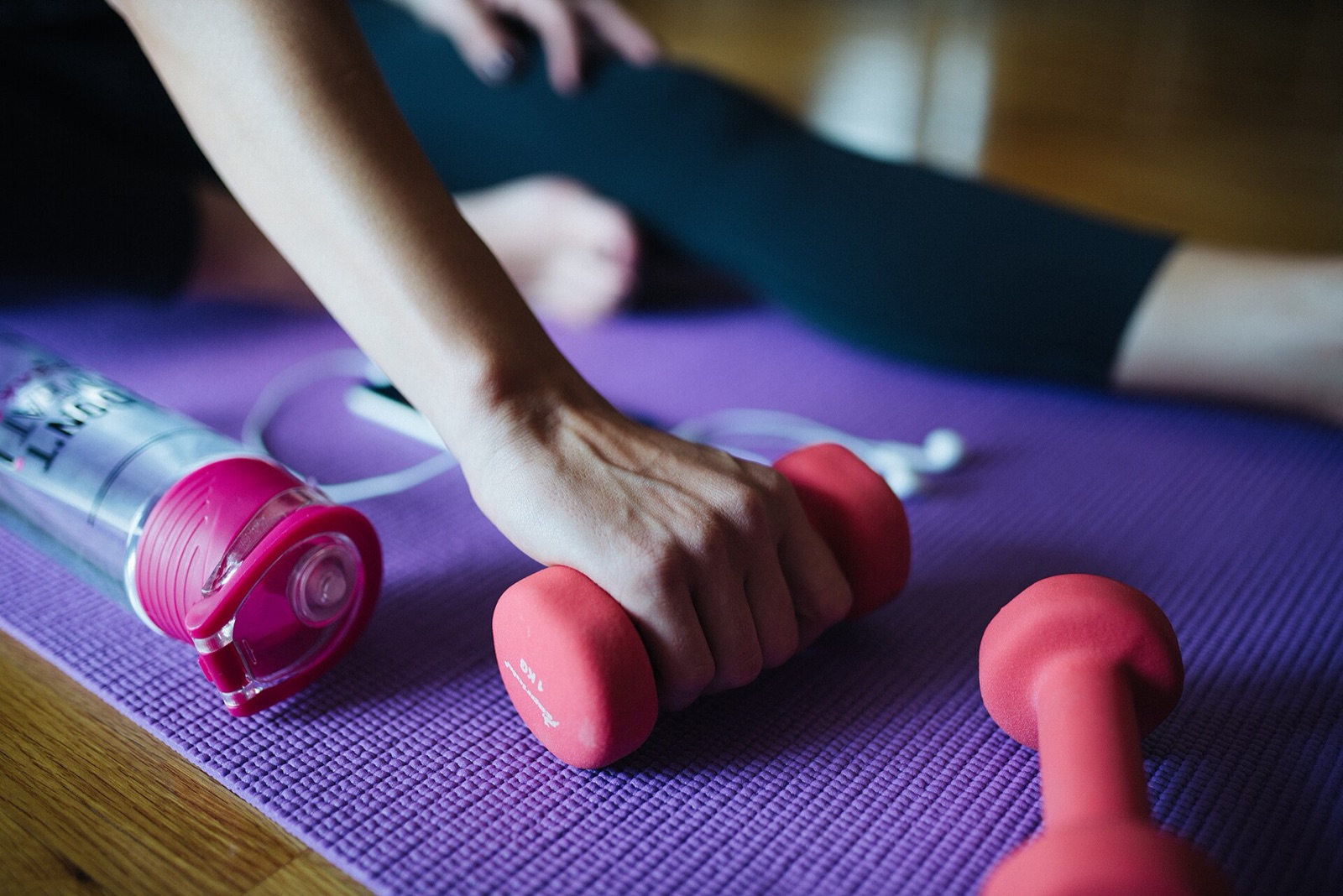
That is the conclusion of a systematic review and meta-analysis published in Supportive Care in Cancer in 2026. The authors, Wang, Lee, Zhang and Liu, pooled results from 10 randomised controlled trials involving 851 participants. All were cancer survivors who had received cardiotoxic therapies. The team searched seven electronic databases for trials published from January 2000 to October 2025.
The main fitness measure was peak oxygen uptake, known as VO2 peak. It reflects how much oxygen the body can use during hard exercise and is a standard marker of cardiorespiratory fitness. According to the meta-analysis, home-based exercise significantly improved VO2 peak by an average of 2.35 mL/kg/min (95% confidence interval 1.26 to 3.43, p < 0.001).
The size of the gain varied. Subgroup analyses found larger effects in programmes lasting 24 to 52 weeks, in programmes that used mobile health (mHealth) tools, and in people with stage III or IV cancer.
Other outcomes were less clear-cut. The pooled results showed no significant improvement in the six-minute walk test, a measure of functional capacity, or in health-related quality of life. Even so, the authors concluded that home exercise mitigated functional decline in cancer survivors.
The central question for the heart is still open. The review set out to look at direct measures of heart damage, such as left ventricular ejection fraction and global longitudinal strain, and at blood markers such as troponins and B-type natriuretic peptide. It also looked at clinical events such as heart failure and arrhythmias. Only one of the 10 trials assessed the direct cardiotoxicity measures and biomarkers.
The authors therefore write that the ability of home-based exercise to prevent cancer treatment-related cardiovascular toxicity was unproven. A higher VO2 peak is a sign of better fitness. In this analysis it was not shown to mean less damage to the heart from treatment.
For survivors, the practical picture from this evidence is a measurable fitness gain from exercise done at home. Whether it also shields the heart remains to be tested.
The authors call for adequately powered trials that include direct cardiotoxicity assessments to establish true cardioprotective efficacy. They also call for implementation studies to optimise how home programmes are delivered in the real world.