THE ARISING · Science & Frontiers
Pioneer Labs Reports Bioplastic Production From Simulated Mars Resources
A September preprint reports more than three times the parent strain’s bioplastic titer in an evolved bacterium under simulated Mars conditions on Earth. It does not show life or manufacturing on Mars.
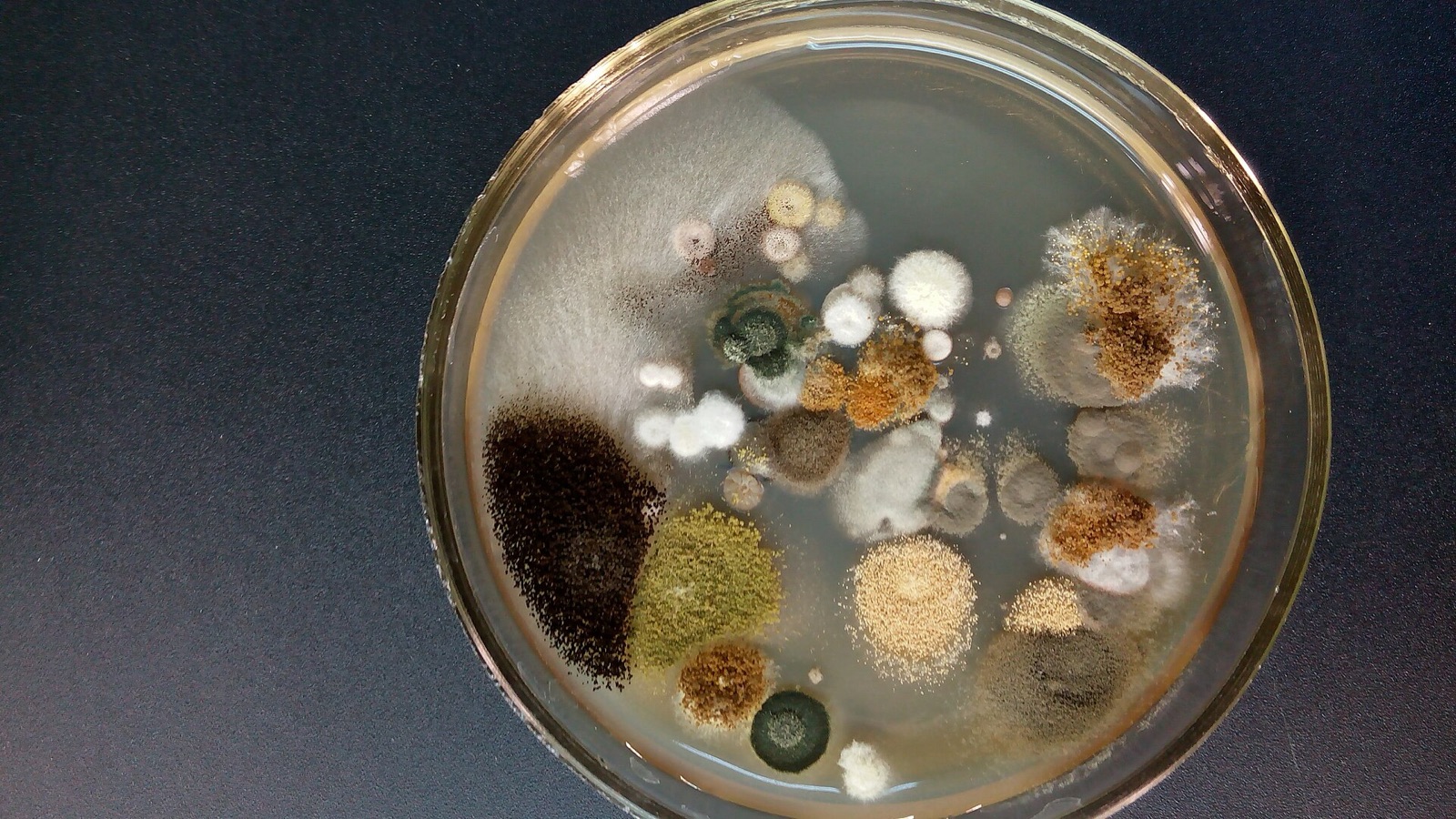
A small nonprofit in Emeryville, California, says it has built the first microbe designed for Mars. Fed simulated Martian soil and air, it makes biodegradable plastic that could be printed into shelters. The work remains a preprint, and the company’s projections extend well beyond the laboratory results.
Our research desk reported that Pioneer Labs announced "this week" an engineered organism, sPL.001, that lives on chemically accurate Martian dirt, water and air, with toxins left in and no fertilizer, while making bioplastics. The announcement came from chief executive Erika DeBenedictis.
The company describes a heated bioreactor and a nonphotosynthetic organism supplied with acetate, a carbon source. Acetate does not supply nitrogen.
The company’s announcement is dated September 22, 2026, not this week.
sPL.001 is an evolved strain of Cupriavidus necator H16, a bacterium long known for making polyhydroxyalkanoates, a family of biodegradable plastics. The team used lab evolution over more than a trillion cell divisions to toughen it against acetate and leached Martian-like soil.
A bioRxiv preprint, "Bioplastic Production from simulated 100% in situ Mars resources" (doi 10.64898/2026.09.14.748363), screened 16 organisms, also evolved Pseudomonas putida KT2440 alongside C. necator, and reports more than three times the bioplastic titer of the parent strain under simulated Martian conditions on Earth. The microbe feeds on acetate made from carbon dioxide. Our desk's phrase "nitrogen delivered as acetate" is chemically muddled: acetate supplies carbon, not nitrogen.
The company reports that the cells stop growing without supplied acetate and are killed by simulated Mars stressors. Its proposed “Propagation Restricted, Inert on Mars” framework is not an independently established regulatory approval or a demonstration of zero contamination risk on Mars.
Mars is far from most readers' plans. The tools are not. Directed evolution and containment strategies are the same methods used to make engineered microbes for medicine, from live bacterial therapies to drug manufacturing.
Showing that simulated soil provides nutrients is different from showing that an organism can grow in real Martian conditions. The containment claims also need independent scrutiny.
• "This week" is wrong. The announcement was September 22–23. • Earth-only results. All tests were simulations on Earth; Pioneer calls it a proof of concept, not flight-ready. • City in one launch. DeBenedictis says the equipment fits one rocket and could make materials for a small city. That is a projection, not a result. • Planetary protection. The only figure on offer is the company's own claim that a leak would clear thresholds "by a factor of several hundred."
• Peer review of the bioRxiv preprint and the companion biosafety paper. The inspected source is a preprint; an exhaustive later-publication and correction search was not completed. • Whether any space agency or launch company commits to flying the system.