THE ARISING · Longevity & Healthspan
Muscle Relaxation Improved Social Support More Than Loving-Kindness Meditation in Small Trial
A meditation built around kindness and social connection did not strengthen social well-being more than a plain muscle-relaxation exercise. In one measure, the relaxation exercise came out ahead. That is the result of a randomized controlled trial published in PLOS One.
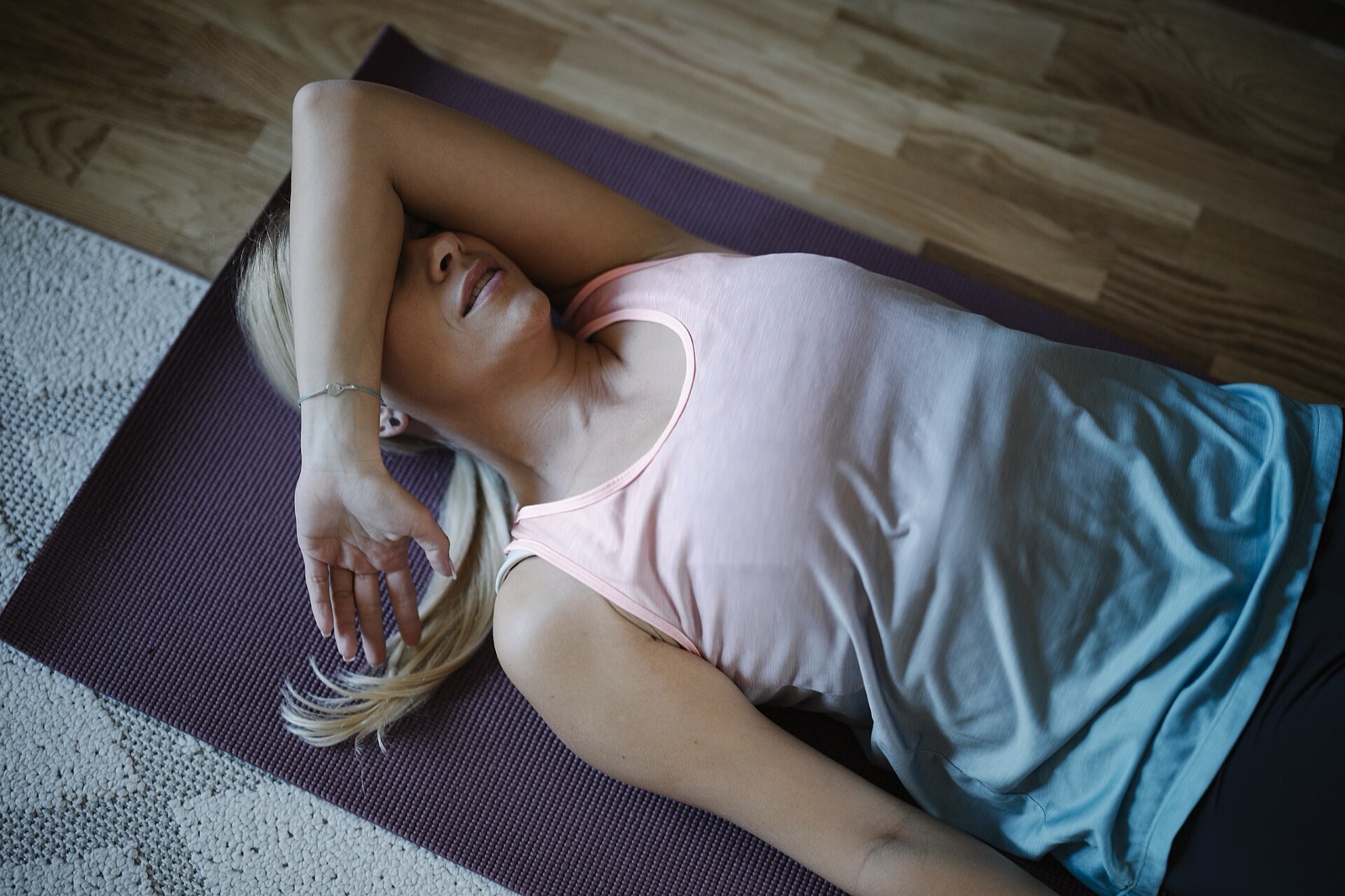
The trial enrolled 75 healthy adults in the United States, aged 18 to 55, and 69 finished. Researchers at Georgetown University assigned them by chance to four weeks of online training in either loving-kindness meditation or progressive muscle relaxation. Each group did six 15-minute guided audio sessions a week, 24 sessions in all. The trial was registered on November 17, 2020. The hypotheses and analysis plan were registered on February 19, 2021, after data collection had begun.
Loving-kindness meditation asks people to build feelings of kindness and love, first toward themselves and then toward a widening circle of others. Progressive muscle relaxation is a calming practice known to reduce anxiety. It has no social or compassion content, which is why the team chose it as a comparison. The researchers expected loving-kindness meditation to improve social well-being and, through that, to ease pain.
To test pain, participants did a wall sit over video conference, holding a seated position against a wall until they could no longer continue. The researchers recorded how long each person lasted and how much it hurt. They did this before and after the training.
The results ran against the hypothesis. Progressive muscle relaxation increased perceived social support relative to loving-kindness meditation (p = .028). Neither practice produced a statistically significant reduction in reported pain or increase in how long people could tolerate the wall sit.
According to PsyPost's coverage, perceived social support on a 36-point scale rose from 28.4 to 29.2 after muscle relaxation and slipped from 28.5 to 27.4 after loving-kindness training. Study author Katherine O'Connell told PsyPost, "Our 'control' meditation, PMR, beat LKM on improving social support." She also said participants liked the freely available relaxation recordings. PsyPost also reported that people whose social support grew tended to hold the wall sit longer, though that link was modest and came from an exploratory analysis.
The data were collected from December 2020 to July 2021, in the early months of the COVID-19 pandemic. The authors say restrictions on in-person contact may have limited people's chances for social connection. Participants were aged 18 to 55, with an average age of 31, according to PsyPost.
Loving-kindness meditation did not outperform muscle relaxation on social support or pain, and muscle relaxation came out ahead on perceived social support. With no untreated comparison group, the study cannot establish that either practice is ineffective or that they are equivalent. Results in healthy, mostly young adults during pandemic restrictions do not establish effects in people with chronic pain.
Sources: Young and colleagues, PLOS One, September 16, 2026. Full text. PsyPost interview, November 5, 2026.