THE ARISING · Longevity & Healthspan
Hyperbaric Oxygen Linked to VO2 Max Gains, but Study Lacked Controls
Among 1,032 patients who completed a course of hyperbaric oxygen therapy, average peak aerobic capacity, the best-known measure of fitness in ageing research, was higher after treatment than before.
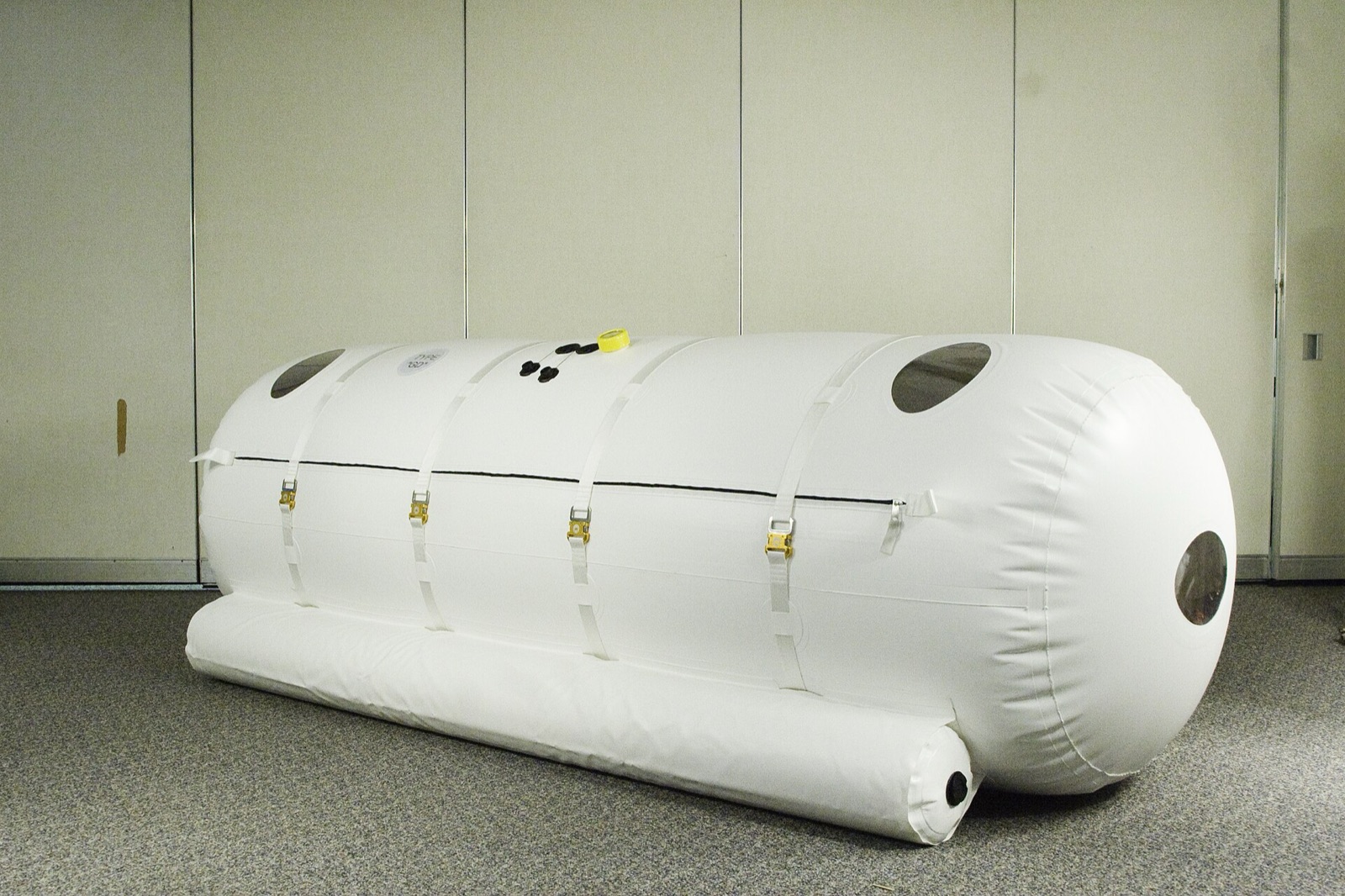
The finding comes from a retrospective cohort study in Frontiers in Aging, drawn from consecutive patients treated between 2018 and 2025. The authors are affiliated with the Sagol Center for Hyperbaric Medicine and Research at Shamir Medical Center in Israel. All patients had a maximal or peak-effort exercise test before and after therapy.
Hyperbaric oxygen therapy, or HBOT, means breathing 100% oxygen at pressures above normal air pressure. The protocol studied used 2.0 atmospheres absolute with intermittent air breaks, over a mean of 58.8 sessions. The authors describe it as based on the hyperoxic–hypoxic paradox. They say earlier controlled trials of the same protocol reported fitness gains in healthy athletes and older adults.
Peak aerobic capacity, called VO2 max, rose by an average of 2.29 mL per kilogram per minute (95% confidence interval 2.10 to 2.47). Oxygen uptake at the first ventilatory threshold, a submaximal marker linked to the effort sustainable in daily activity, rose by 2.12. All seven prognostic exercise-test measures improved (all p < 0.001).
Oxygen pulse, which reflects how much oxygen each heartbeat delivers, rose by 0.79 mL per beat. The VE/VCO2 slope, a measure of breathing efficiency in which lower is better, fell by 1.07. The authors call the changes in peak and threshold capacity medium-to-large within-subject effects.
The gains were not limited to a few people. According to the study, 82.9% of patients showed some increase in VO2 max per kilogram. In 53.9% it rose by at least 0.5 MET, a unit of exercise intensity, and in 26.6% by at least 1 MET. Peak or threshold oxygen uptake improved in 94.4%. Gains in aerobic capacity appeared across clinical indications, age groups from under 45 to 75 and older, and in both sexes.
The authors place the numbers in context. Their introduction cites a cohort of 122,007 adults in which higher fitness was associated with lower all-cause mortality, with no upper limit to the benefit. It also cites work associating each 1-MET increase in fitness with a 13% to 15% lower relative risk of death.
The authors state that, given the retrospective, uncontrolled design, prospective controlled studies are required to determine HBOT's specific contribution to the changes.
The study did not measure mortality or clinical events, so the fitness changes cannot establish a longevity benefit. Adverse events were not systematically recorded. One author disclosed a medical-advisory role and shareholding in AVIV Scientific.
The next step to watch is prospective controlled trials, which would show how much of the fitness change belongs to the therapy itself.