THE ARISING · Longevity & Healthspan
FDA Clears PulseAI Software to Read Wearable ECGs for Atrial Fibrillation
A smartwatch heart tracing is only useful if someone can read it, and many come back as "inconclusive." In a study of 296 people, an AI program cut those unclear results by 92% compared with the Apple Watch's own algorithm, while still picking up atrial fibrillation.
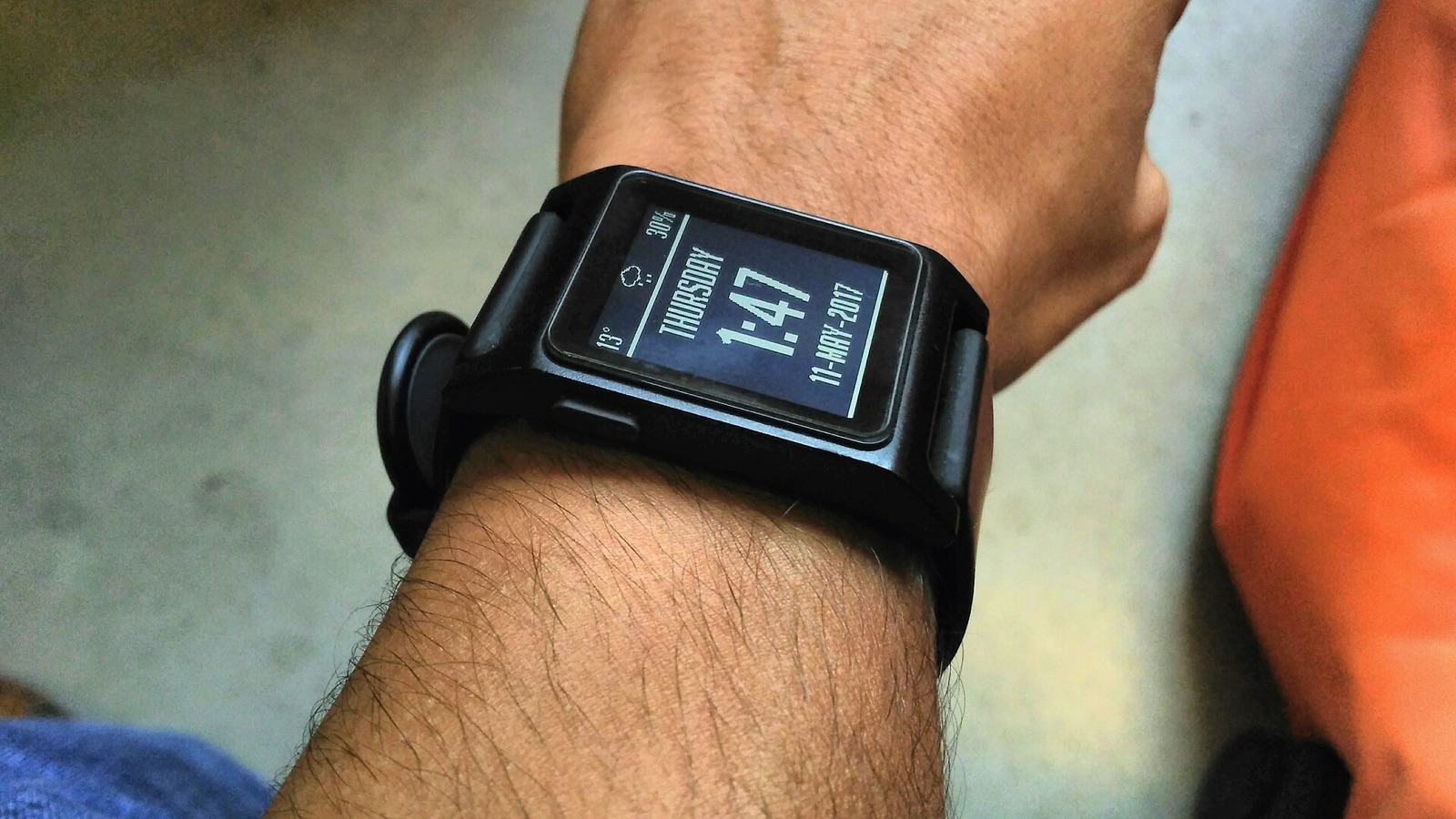
The work is a prospective observational study published in Heart Rhythm in 2026. It was run at a teaching hospital in Ireland. The researchers took the same Apple Watch ECG recordings and read them two ways: with Apple's native algorithm and with an AI neural network.
Atrial fibrillation, or AF, is an irregular heart rhythm. It can cause no symptoms. According to PulseAI's press release, untreated AF is associated with around a fivefold higher risk of ischaemic stroke, depending on individual risk factors. Finding it lets clinicians weigh stroke risk and consider treatment.
The study's main point is about how wearable ECGs are scored. Usual validation leaves out inconclusive results and assumes one attempt. The authors say this inflates reported performance. They tested three approaches: a "naive" one that excludes inconclusive results, a "pragmatic" one that counts them as wrong, and an "intention-to-diagnose" one that allows up to three attempts.
For the Apple Watch, the naive approach gave a sensitivity of 96.1% and a specificity of 97.9%. Sensitivity is how often AF is correctly found. Specificity is how often a normal rhythm is correctly cleared. Counting inconclusive results as wrong dropped these to 78.1% and 81.0%. Allowing three attempts gave 92.2% and 91.0%.
The AI performed more steadily. Its pragmatic figures were 98.4% sensitivity and 96.1% specificity. With up to three attempts, they were 98.4% and 96.6%. The authors report that the AI produced 92% fewer inconclusive outputs than the Apple Watch.
Repeatability also differed. When the same person was tested again, the Apple Watch results agreed substantially (kappa 0.77), while the AI's agreed near-perfectly (kappa 0.96). The authors conclude that AI-enhanced interpretation gives a more usable and reliable route to detecting AF in real-world use.
For people who wear these devices, the study suggests the potential for fewer unclear readings and fewer repeat recordings before an answer. The authors argue that wearable ECG reports should adopt the intention-to-diagnose approach, so the published numbers match what happens in daily use.
FDA cleared PulseAPI SmartWatch under 510(k) K254226 on October 27, 2026; PulseAI announced the clearance on November 5. Alan Kennedy, the company's CEO and founder, is also an author of the study. The clearance covers adult ECG analysis prescribed or used under a physician's care. It is not for over-the-counter use, people with pacemakers or other implanted electronic devices, or life-support and alarm systems.
Next to watch: which devices and platforms adopt the software, and whether results hold up in larger groups of people outside a single hospital.
The study did not establish population-wide screening performance or a reduction in strokes.