THE ARISING · Longevity & Healthspan
Exercise Trial Found No Slower Age-Related Smell Loss
A five-year exercise trial found no clear difference in how older adults identified smells over a decade. People who ended up fitter tended to identify smells better, but that link does not establish cause and effect.
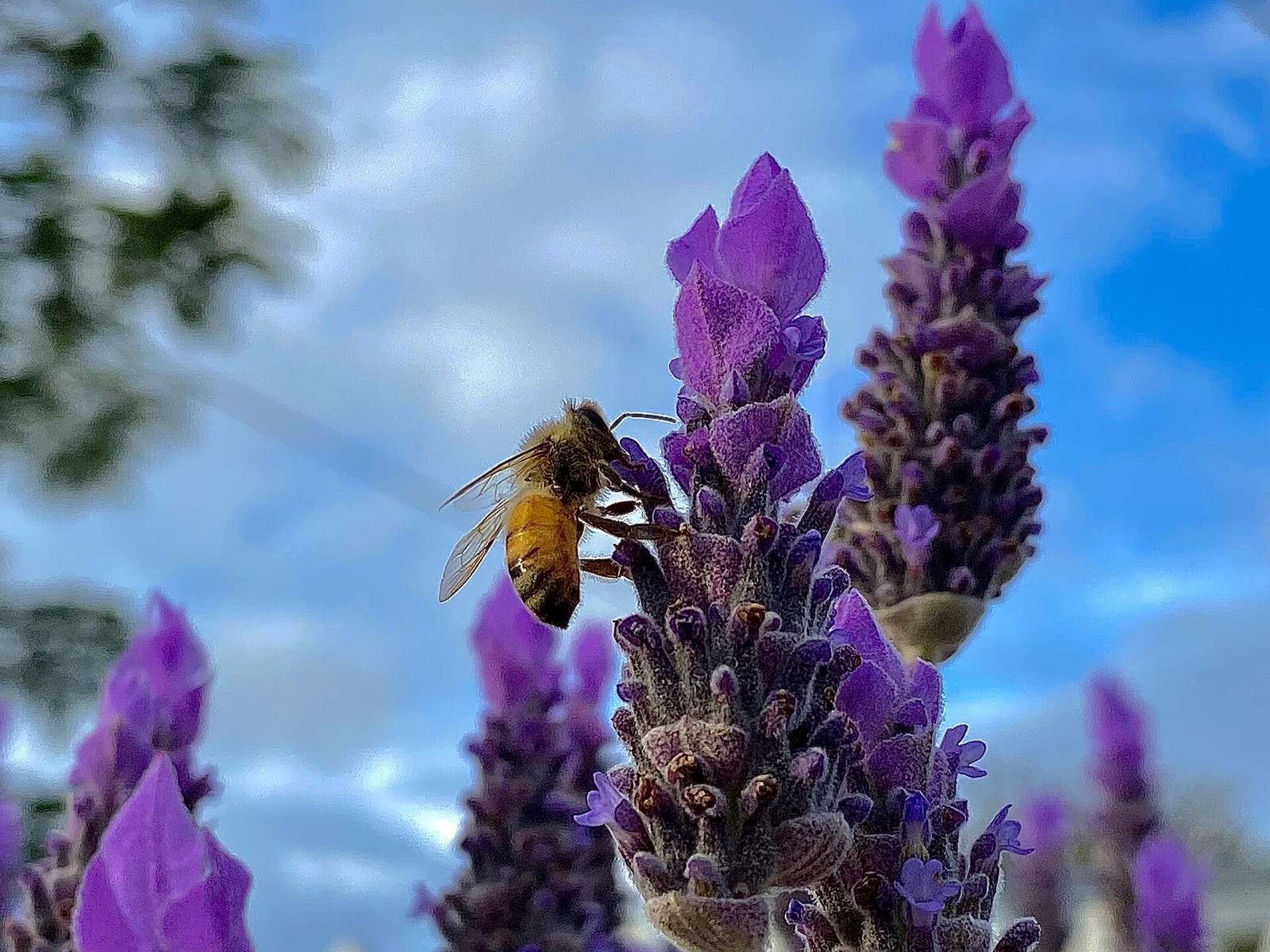
That is the finding of a randomized trial reported in Frontiers in Physiology on November 6, 2026. Researchers in Trondheim, Norway, followed 106 adults who were 70 to 77 years old at the start. They tested odor identification, the ability to name a scent, with the Sniffin' Sticks test. Impaired odor identification has been linked to cognitive decline and is described as an early indicator of neurodegenerative disease, particularly Alzheimer's disease.
The participants came from the Generation 100 study, which began in 2012. They were randomly assigned in a 2:1:1 ratio to one of three groups. One group did moderate-intensity continuous training: 50 minutes at about 70% of peak heart rate. Another did high-intensity interval training: four 4-minute intervals at 85–95% of peak heart rate. Both exercise groups were asked to train twice a week for five years. The control group was told to follow national physical activity guidelines. Smell tests and brain scans took place at the start and after 1, 3, 5 and 10 years.
Smell scores fell significantly over time. The decline did not differ between the three groups across the 10 years. At the 10-year mark, a cross-sectional analysis of 388 participants, including 62 from the original longitudinal cohort, also found no differences between the assigned groups.
Fitness may help explain that result. The authors measured peak oxygen uptake, known as VO2peak, a standard gauge of how much oxygen the body can use during hard effort. It did not differ significantly between the groups over time. Being assigned to an exercise program, in other words, did not produce a lasting fitness gap between the groups.
Fitness itself still tracked with smell. Higher VO2peak at the start and at 10 years was associated with better odor identification at 10 years. Across all participants, regardless of group, larger hippocampal volume, a brain region tied to memory, was also associated with better scores at 10 years.
Self-reported exercise intensity was not associated with smell performance. Self-reported exercise duration was, but only up to the 3-year follow-up and not afterward.
The authors say the findings suggest a direct link between VO2peak and reduced age-related decline in odor identification. The exercise comparison did not detect a benefit for smell, even though fitness itself was associated with better smell identification. Those are different findings: an association is not proof that an exercise program changes the outcome.
The control group followed activity guidelines, so this was not exercise versus inactivity. Forty-one percent of the original smell cohort was lost to follow-up, and the fitness associations do not establish causation.
The next step to watch is whether other studies find the same link between fitness and smell.
Sources: Reitlo and colleagues, Frontiers in Physiology, November 6, 2026.